Unveiling the Plinko Cold Bin Myth Fact or Fiction

Unveiling the Plinko Cold Bin Myth: Fact or Fiction?
The Plinko Cold Bin Myth Plinko game has garnered a significant following among players and gaming enthusiasts worldwide. This fascinating game, characterized by its unique pinboard setup and chance-driven outcomes, has become a staple in both online and physical casinos. However, alongside its popularity exists a myth that has captured the attention of many: the Plinko Cold Bin Myth. In this article, we will explore the origins of this myth, its implications, and whether it holds any truth.
What is the Plinko Cold Bin Myth?
The Plinko Cold Bin Myth refers to a common belief among some players that certain slots on the Plinko board are “cold” or “hot,” meaning that they have a higher or lower probability of winning at any given time. This concept suggests that players should avoid or favor specific slots based on their recent payout history. While this phenomenon is not unique to Plinko, it has become particularly prominent due to the game’s visual appeal and its reliance on randomness.
The Origin of the Myth
The origins of the Plinko Cold Bin Myth can be traced back to the broader misconceptions surrounding gambling and game theory. Many players seek patterns or trends in randomness, hoping to gain an edge in games largely governed by chance. This behavior is not uncommon and can be observed in various gambling contexts, from slot machines to roulette. The human brain is wired to look for patterns, often leading people to misinterpret random sequences as having some underlying logic.
The Mechanics of Plinko
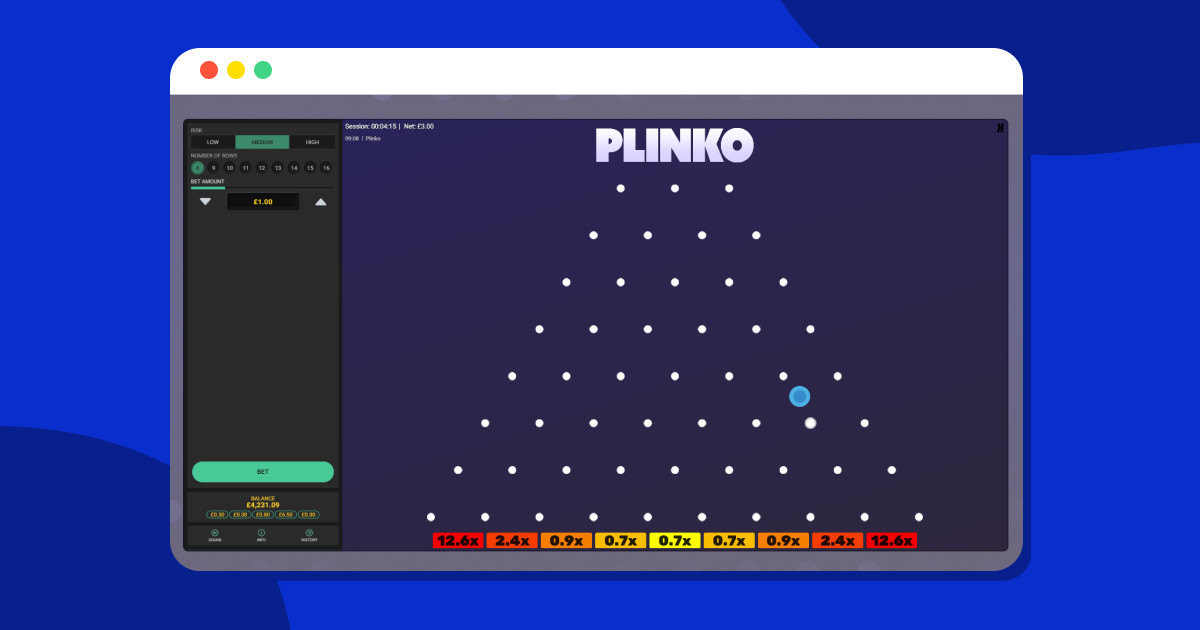
Before delving deeper into the myth, it is essential to understand how the Plinko game functions. The game board consists of a vertical arrangement of pegs, which cause a puck or disc to bounce unpredictably as it descends. Eventually, the puck lands in one of several slots at the bottom, each associated with different prize values. The outcome of each game is determined entirely by chance, with no external influence impacting the trajectory of the disc once it is released.
The Randomness Factor
Since each drop is independent of previous drops, the probability of hitting a specific slot remains constant regardless of past outcomes. This fundamental principle of probability applies to numerous games of chance, including Plinko. Unfortunately, the human tendency to find patterns can lead players to mistakenly believe that they can control or predict outcomes based on their observations. This flawed thinking fuels the spread of the Cold Bin Myth, often leading players to make suboptimal decisions.
Debunking the Myth: Evidence vs. Anecdotes
Debunking the Plinko Cold Bin Myth requires a distinction between anecdotal evidence and statistical analysis. While some players may claim success by consistently betting on specific slots, these stories are often isolated incidents rather than indicators of a reliable strategy. To gain a clearer understanding of the myth’s validity, it is crucial to analyze data regarding outcomes over an extended period.
Statistical Analysis and Probabilities
Performing a statistical analysis of numerous Plinko games reveals that each slot has an equal probability of being hit. The law of large numbers demonstrates that as more games are played, the distribution of outcomes will align more closely with the expected probabilities. Over time, any perceived hot or cold trends will dissipate, reinforcing the fact that the game is inherently random. This serves as a strong counterargument against the Cold Bin Myth, showcasing that players should not fixate on slot patterns.
The Psychology Behind the Belief
Understanding the psychology of players can help shed light on why the Plinko Cold Bin Myth persists. The idea of “hot” and “cold” slots aligns with cognitive biases such as the gambler’s fallacy, where individuals believe that past outcomes will influence future results. This notion leads players to adopt strategies based on emotional responses rather than logical reasoning.
Emotional Investment in Gambling
Players often become emotionally invested in their outcomes, wanting to believe that they can influence luck or that specific slots will deliver consistent rewards. This emotional investment can reinforce the myth, as players are more likely to remember instances where their predictions seemingly came true while ignoring the numerous times they did not. As a result, the myth continues to thrive among gaming communities.
The Impact on Gameplay
While the Cold Bin Myth may not have a basis in reality, its impact on the way players approach the game can be significant. Believing in the myth can lead individuals to make poor betting choices, such as continuously wagering on “hot” slots or avoiding “cold” ones, which might detract from their overall gaming experience.
Maximizing Your Odds
To maximize odds while playing Plinko, it is essential to maintain a rational approach. Regardless of prevailing myths, players should focus on their enjoyment of the game rather than becoming overly concerned with outcomes. Setting limits on time and money spent can promote responsible gaming and create a more enjoyable experience.
Conclusion
The Plinko Cold Bin Myth serves as a fascinating example of how human psychology interacts with chance and randomness in gaming. While this belief may find followers among players, it is essential to approach the game with a clear understanding of its mechanics and maintain a rational perspective. By focusing on the fun and excitement of the Plinko game, players can appreciate its essence without falling prey to misleading myths. In the end, remember: the beauty of Plinko lies not in strategies or superstitions, but in the thrill of chance.